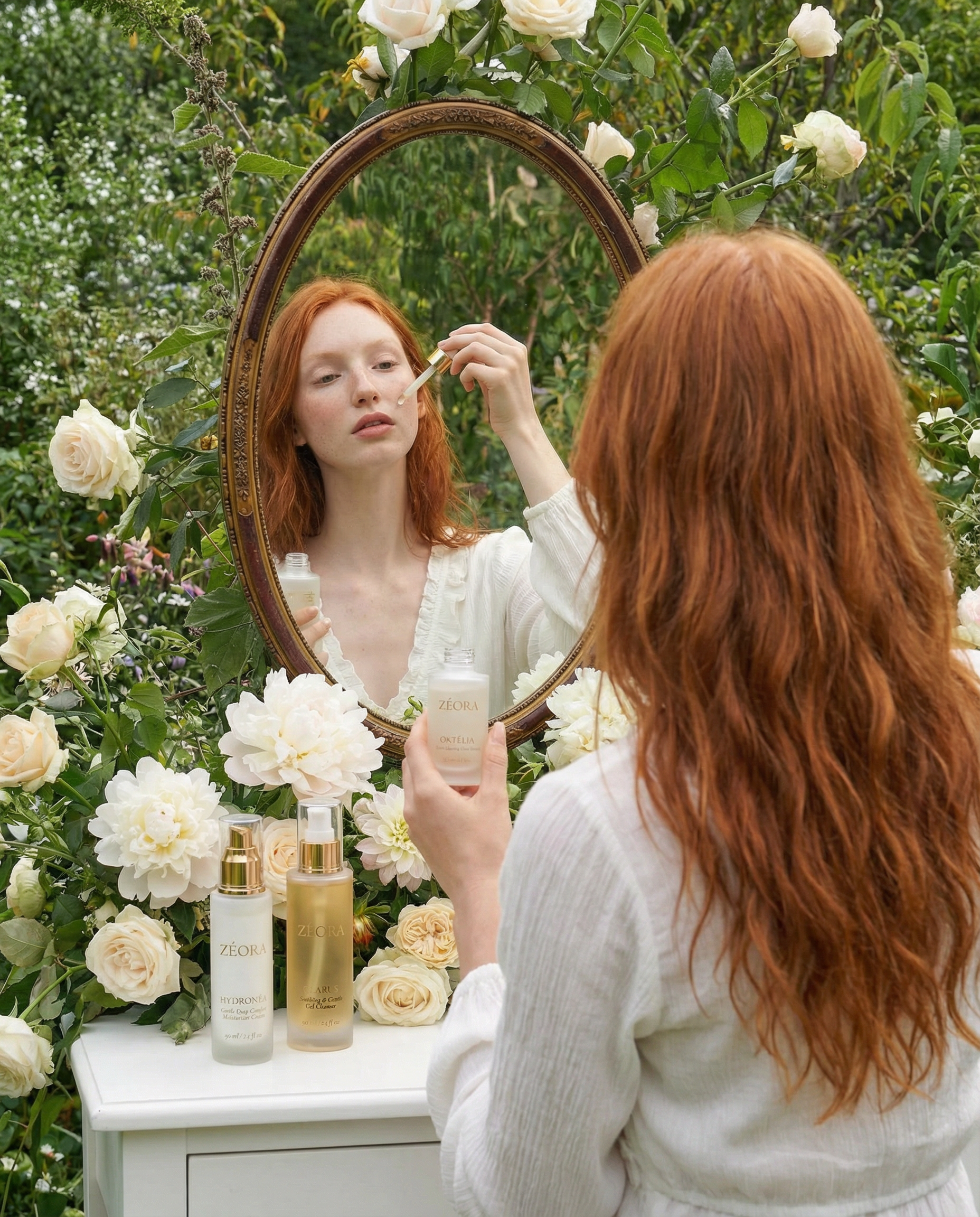
Flip almost any skincare bottle over and you'll find aloe somewhere on the ingredient list. Usually it sits near the bottom, after the thickeners and preservatives. In two of ZÉORA's three steps, it comes second, right after water.
Here's what aloe vera is, what published research says about it on skin, and why it sits so high in our Clarus cleanser and Hydronéa moisturizer.
What aloe vera is
Aloe vera (Aloe barbadensis Miller) is a succulent with thick, fleshy leaves. Inside each leaf is a clear gel made mostly of water, along with polysaccharides, vitamins, minerals, enzymes and other plant compounds (Surjushe, Vasani and Saple, Indian Journal of Dermatology, 2008). It has been used around the Mediterranean and the Middle East for a very long time, and it's one of the most familiar plants in skincare today.
On an ingredient list you'll see it written as Aloe Barbadensis Leaf Juice, the international (INCI) name for the liquid taken from the leaf.
What research says about aloe and skin hydration
Most of the interest in aloe for skincare is about water. Its polysaccharides are thought to help skin hold on to moisture, much like a humectant.
- In a small study of 20 women, creams containing freeze-dried aloe vera extract increased the water content of the skin's outer layer (the stratum corneum) after two weeks of daily use, compared with the same cream without aloe. The researchers suggested aloe works mainly as a humectant (Dal'Belo, Gaspar and Maia Campos, Skin Research and Technology, 2006).
- A 2024 study tested aloe leaf extract combined with trimethylglycine in a shower gel and reported improved skin hydration after one use and over 28 days in healthy volunteers. Several authors work for the company that developed the formula (Filatov et al., Molecules, 2024).
It's worth being honest about the limits. These were specific formulas tested on small groups, and the 2008 review notes that more controlled trials are still needed for many of the uses people associate with aloe. What the research does support is simple: aloe is a well-studied, hydrating base for a gentle formula.
Why ZÉORA puts aloe second
Ingredients are listed in order of concentration, from most to least. So where aloe sits on the list tells you how much of the formula it makes up.
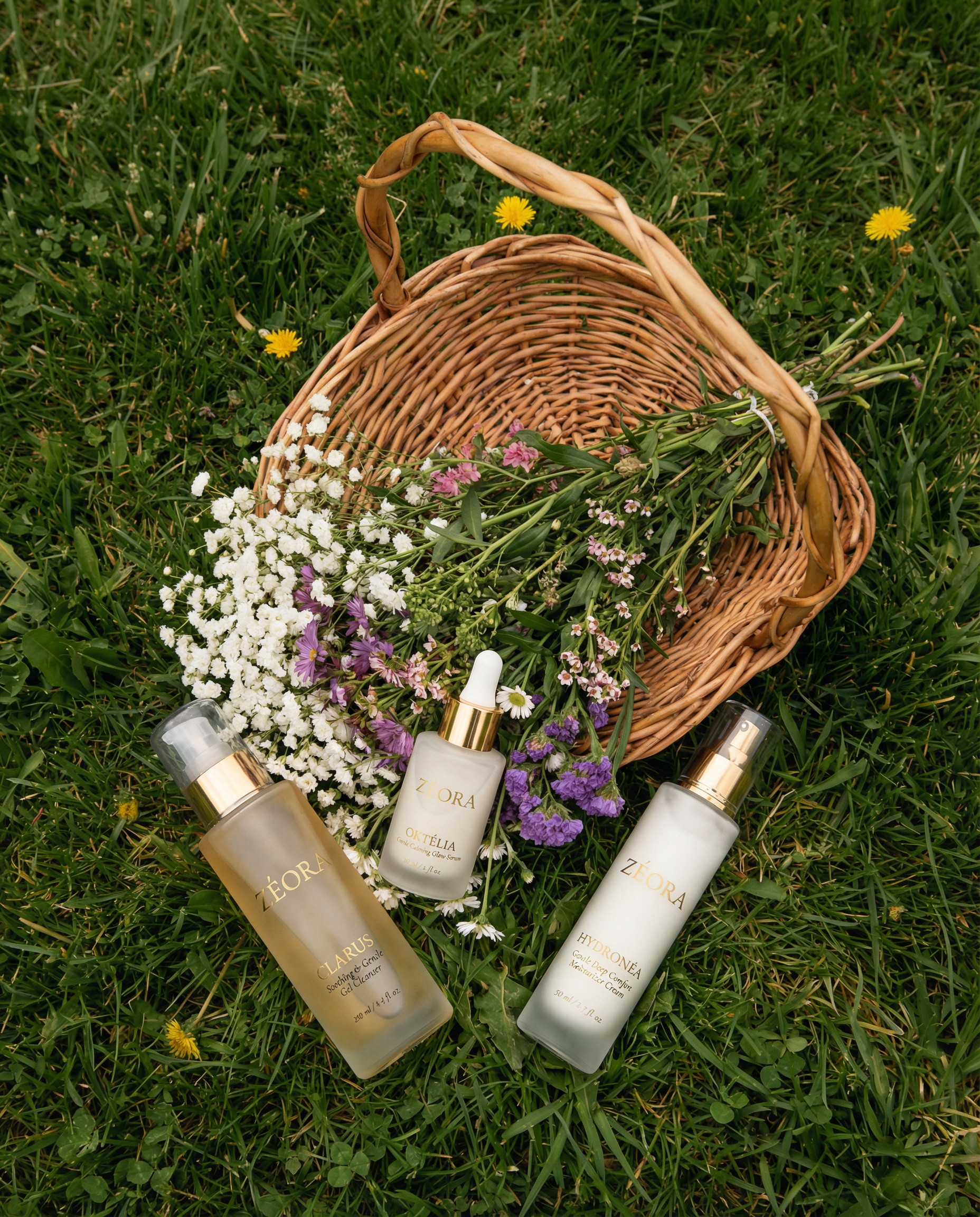
- Clarus · Cleanse, our gel cleanser, lists Aloe Barbadensis Leaf Juice second, right after water. Cleansing is the step most likely to leave sensitive skin feeling tight, so we built Clarus on a base that helps skin feel comfortable while it cleanses.
- Hydronéa · Restore, our fragrance-free moisturizer, also lists aloe second. Alongside it are sweet almond oil, glycerin, panthenol, bisabolol and jojoba seed oil, so skin feels hydrated, soft and comforted.
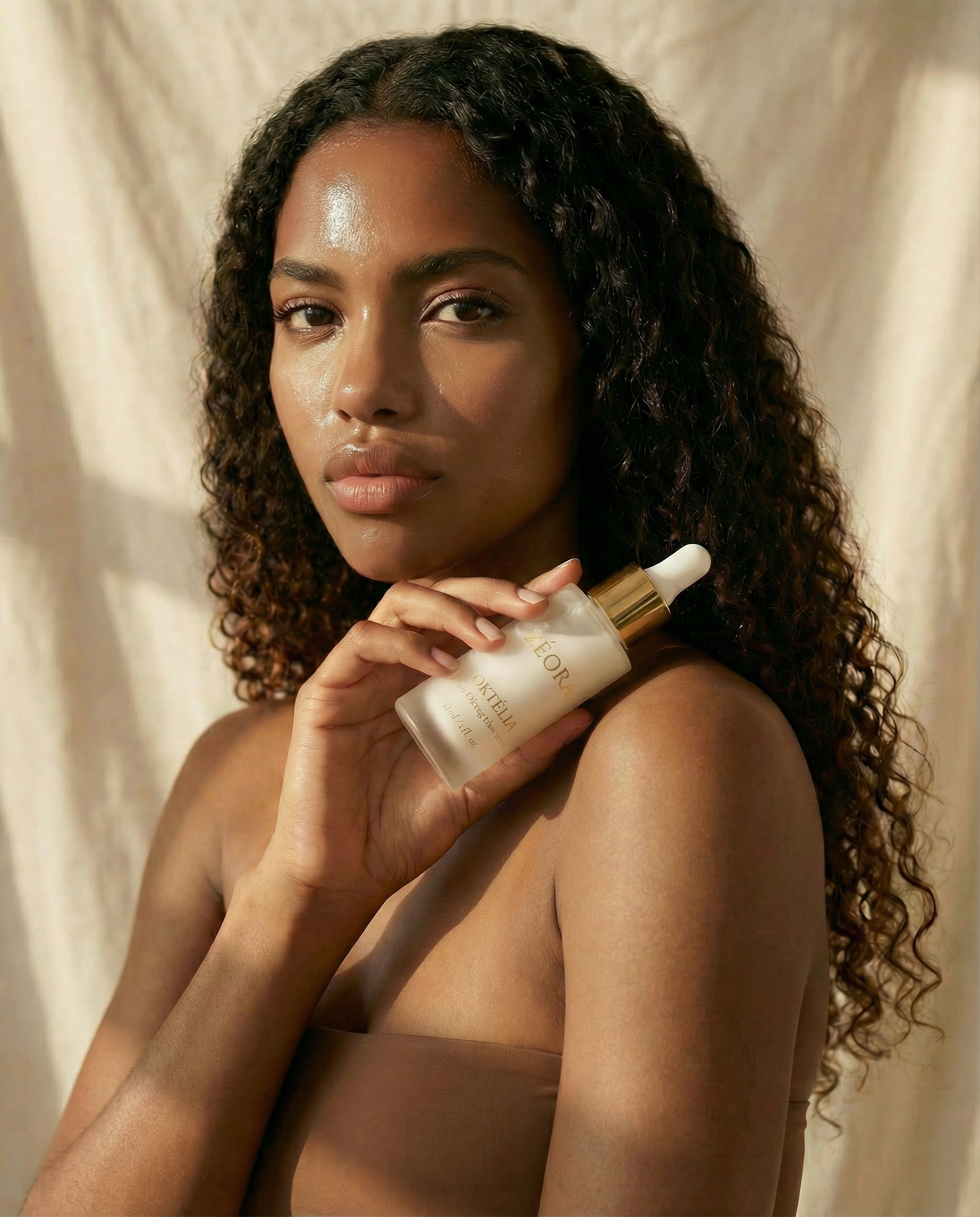
Our serum, Oktélia · Calm, takes a different approach. It's built on sweet almond oil, sodium hyaluronate and evodia fruit extract, so aloe isn't on its list. Used together, the three steps make up The ZÉORA Ritual.
How to use aloe-based skincare in a sensitive-skin routine
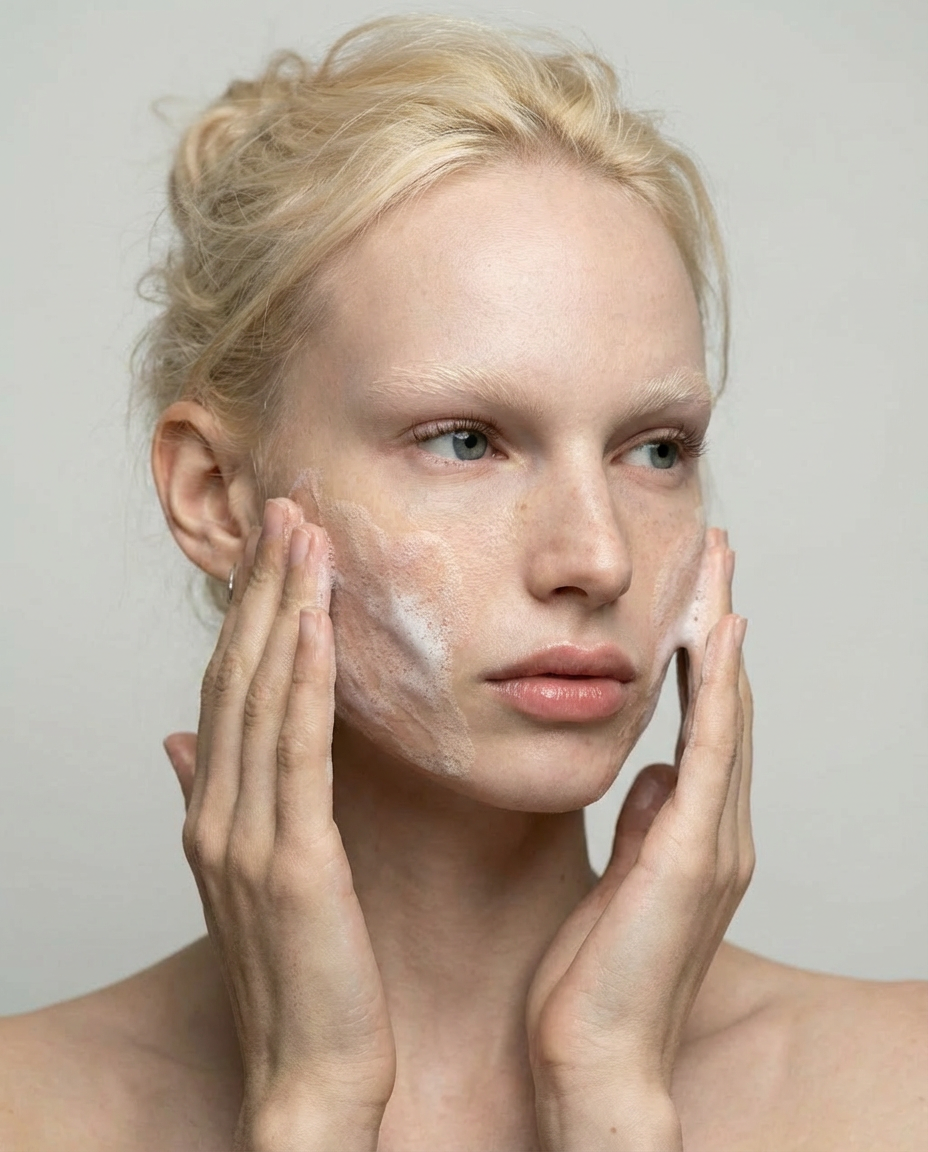
- Cleanse. Apply 1–2 pumps of Clarus to damp skin, massage gently for several seconds, rinse lightly and pat dry.
- Calm. Apply 3 drops of Oktélia, one on the forehead and one on each cheek, and spread until absorbed.
- Restore. Smooth Hydronéa evenly over clean skin to seal in hydration.
Use the routine morning and evening. Hydronéa does not contain SPF, so in the morning finish with a broad-spectrum sunscreen you already tolerate.
If your skin is sensitive, introduce one new product at a time and patch-test first. The American Academy of Dermatology explains how to test a skincare product before using it on your face. Like any plant, aloe isn't right for everyone, and some people react to it.
Keep reading
- How to Support Your Skin Barrier: A Gentle Guide for Sensitive Skin
- A Minimal Skincare Routine for Reactive Skin (Morning & Night)
- ZÉORA Ingredient Intelligence
This article is general skincare information, not medical advice. ZÉORA products are cosmetics, not medicines. If you have a skin condition, or notice persistent redness, itching, swelling or a rash, please speak with a board-certified dermatologist before changing your routine.