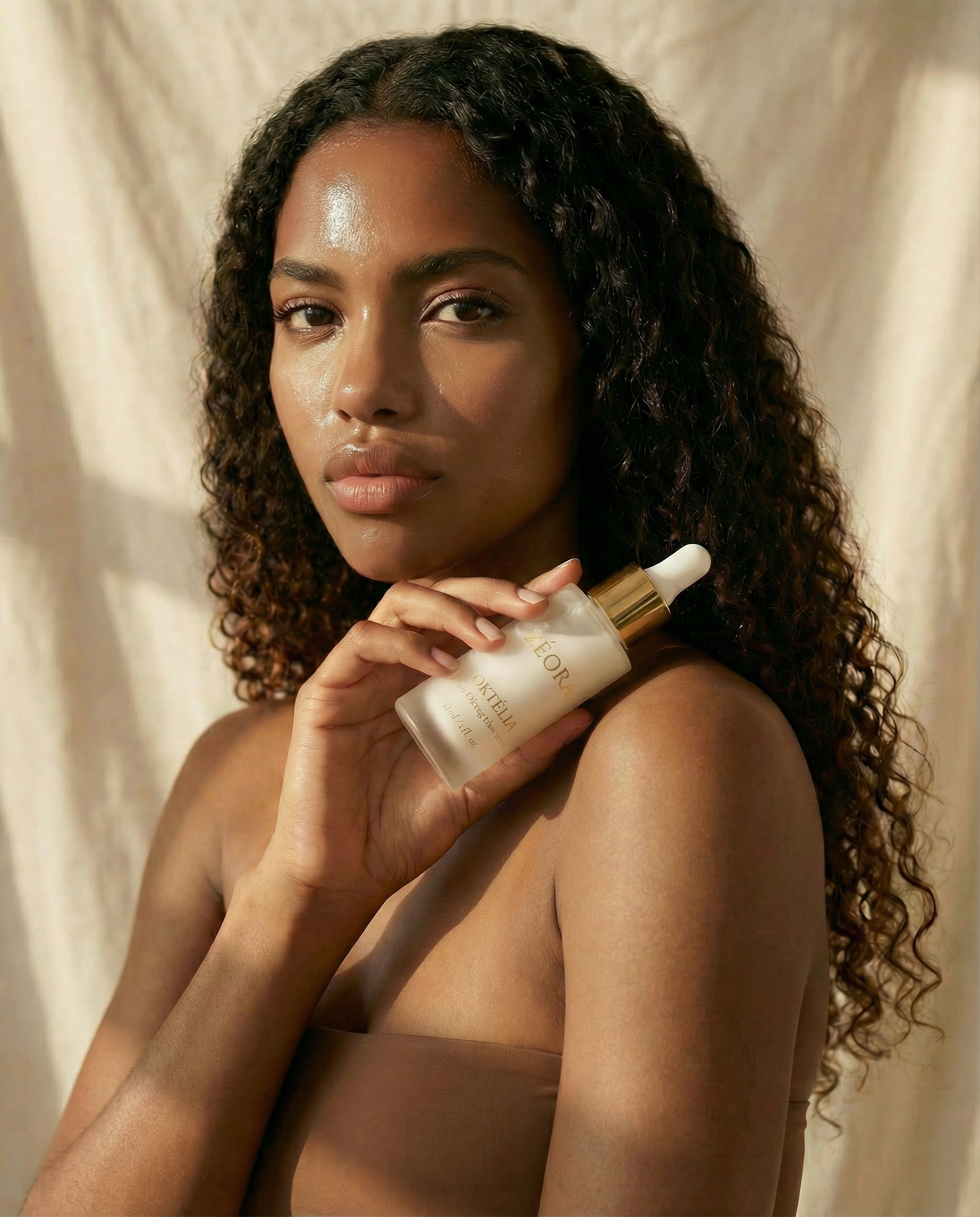
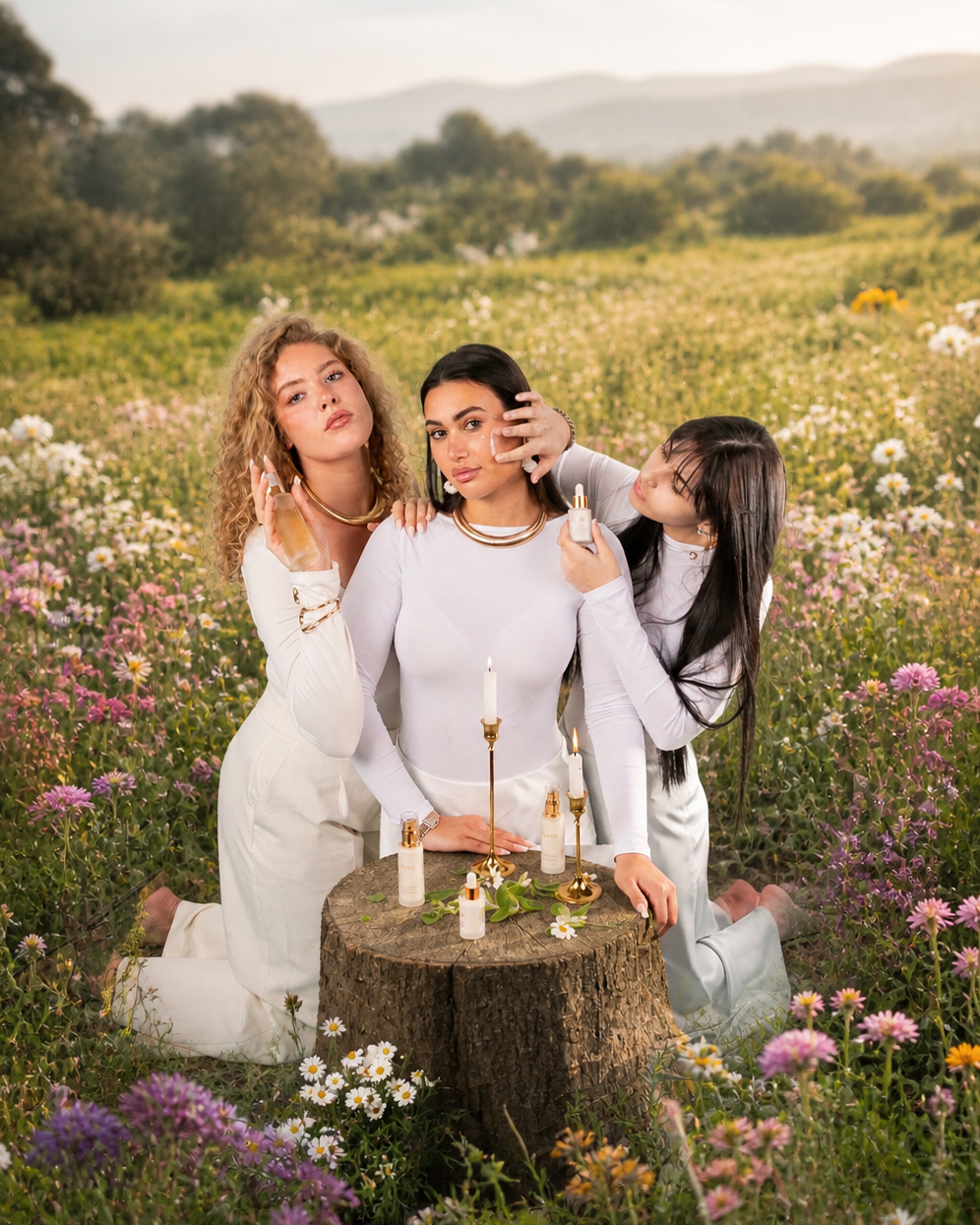
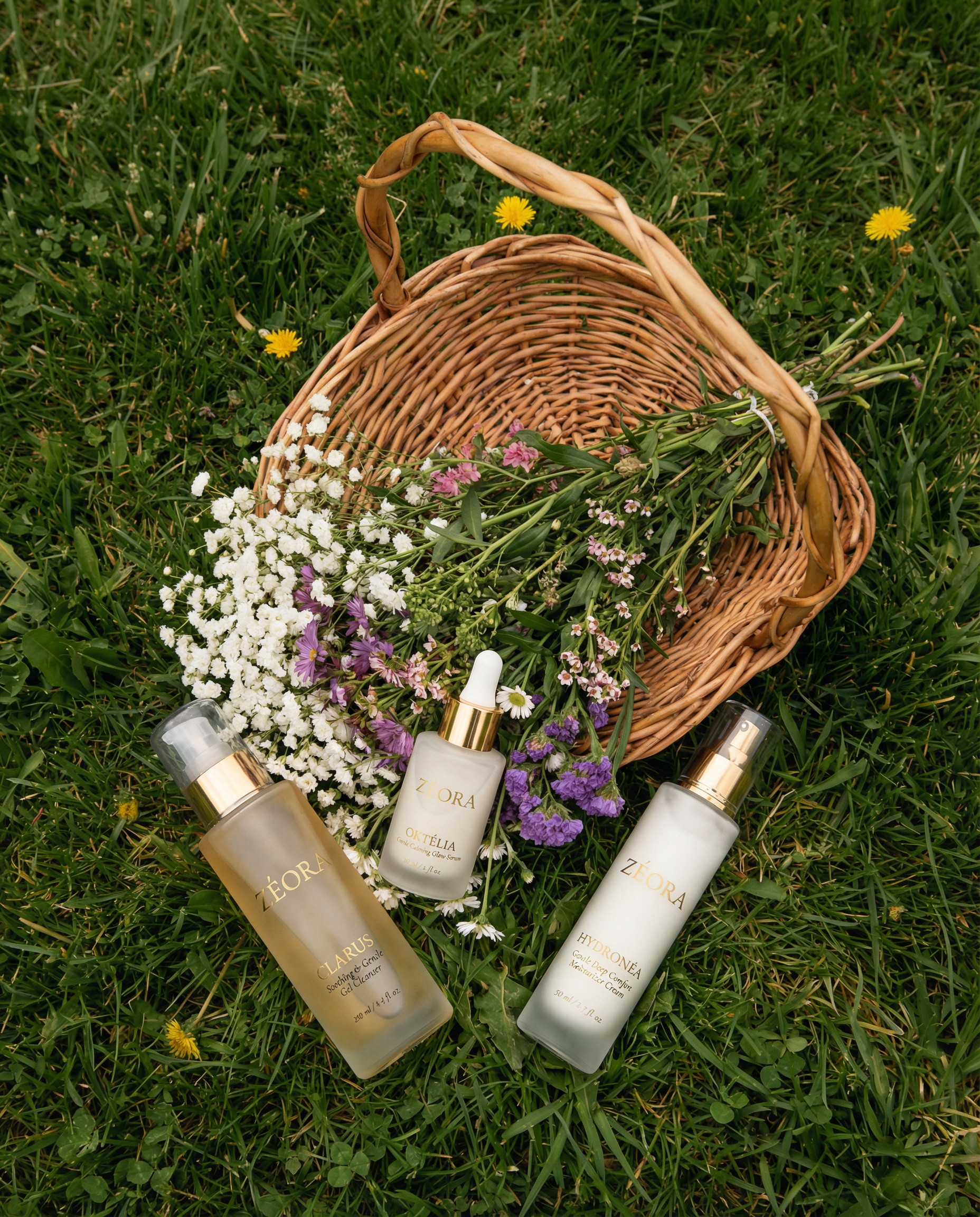
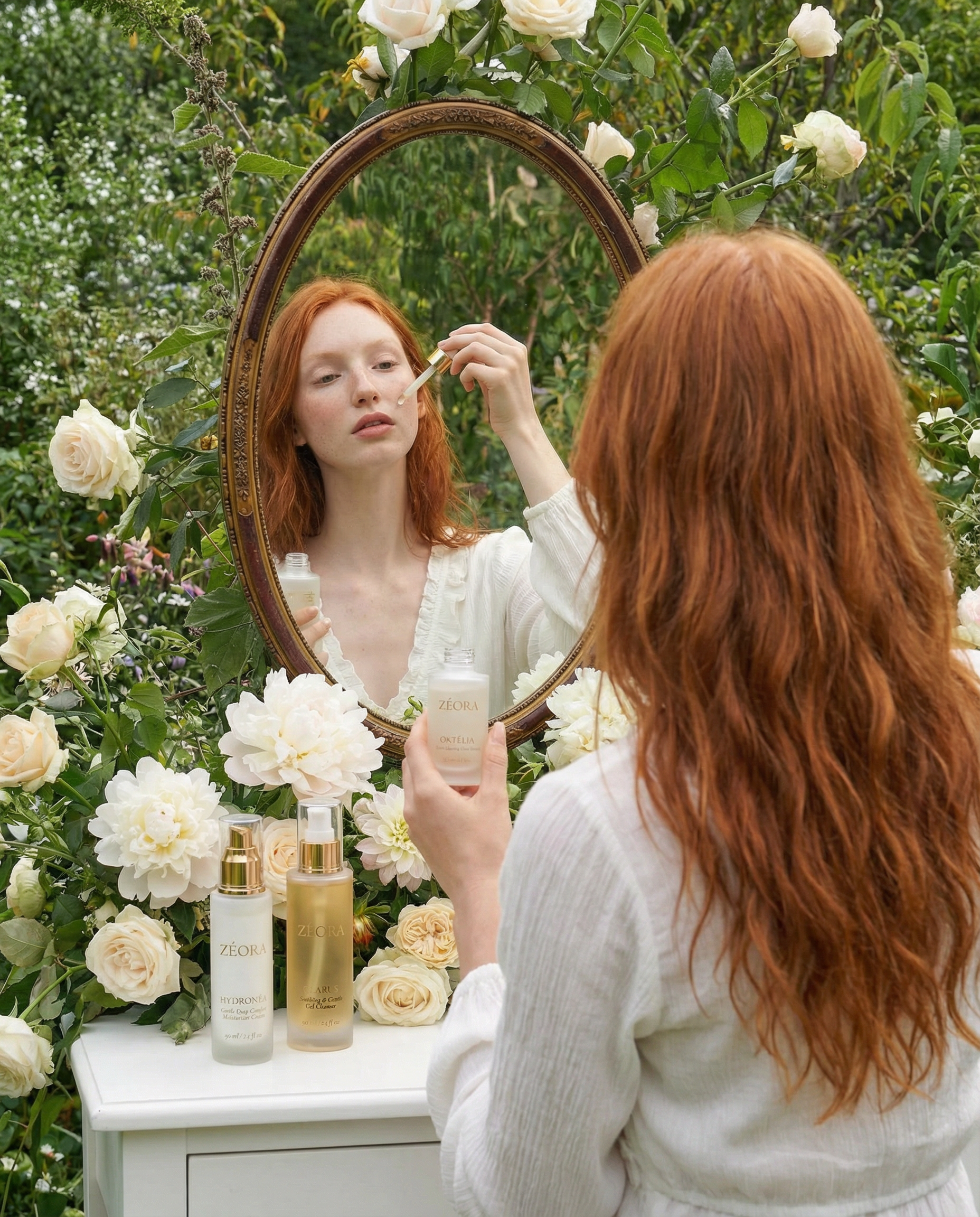
Sage is one of the most familiar herbs in the Mediterranean kitchen. It's also in every step of the ZÉORA Ritual. You'll find it on the labels of our cleanser, our serum and our moisturizer, as part of the same group of botanicals that runs through all three.
Here's what sage is, what published research says about it, and why it's part of our Clarus cleanser, Oktélia serum and Hydronéa moisturizer.
What sage is
Common sage (Salvia officinalis) is a small, woody shrub in the mint family (Lamiaceae), with soft, silvery-green leaves. It is native to the Middle East and the Mediterranean, and today it grows all over the world. Its leaves have a long history in cooking and traditional use (Ghorbani and Esmaeilizadeh, Journal of Traditional and Complementary Medicine, 2017).
On an ingredient list you'll see it written as Salvia Officinalis (Sage) Leaf Extract, the international (INCI) name for an extract made from the leaves.
What research says about sage and skin
Most of the interest in sage for skincare comes from the plant compounds in its leaves, especially its antioxidants.
- A 2017 review of sage research describes extracts of the leaves as rich in plant compounds such as rosmarinic acid and luteolin-7-glucoside. It names carnosol, rosmarinic acid and carnosic acid as sage's most effective antioxidant compounds (Ghorbani and Esmaeilizadeh, Journal of Traditional and Complementary Medicine, 2017).
- In 2025, researchers at the University of Debrecen developed a cream and a gel carrying a sage extract rich in carnosol. They measured how much carnosol the formulas released and showed antioxidant activity in a standard lab test. This was laboratory work on experimental formulas, not a test on people's skin (Bodnár et al., Pharmaceutics, 2025).
- The Expert Panel for Cosmetic Ingredient Safety reviewed 12 sage-derived ingredients. It reported that skin conditioning is one of their most common functions in cosmetics. It concluded that the six derived from the leaves and the oil, including Salvia Officinalis (Sage) Leaf Extract, the form on our labels, are safe as currently used in cosmetics when formulated to be non-sensitizing. The panel also noted terpenes in sage as potential sensitizers (Cosmetic Ingredient Review final report, 2022; published in the International Journal of Toxicology, 2026).
It's worth being honest about the limits. These studies looked at specific extracts in lab settings or reviewed the wider science. None of them tested ZÉORA products. What the research does support is simple: sage is a well-studied Mediterranean botanical with a strong antioxidant profile, and its leaf extracts have been reviewed for use in cosmetics.
Why sage is in every ZÉORA step
Ingredients are listed in order of concentration, from most to least. Sage sits among the botanical extracts in the second half of each list. It isn't the base of a formula the way aloe is in Clarus and Hydronéa. Instead it's part of a group of seven botanicals that appears in all three steps: yarrow, sage, damask rose, chamomile, lemon balm, green tea and marjoram.
- Clarus · Cleanse, our gel cleanser, lists Salvia Officinalis (Sage) Leaf Extract alongside chamomile, calendula, lemon balm and green tea, on an aloe base.
- Oktélia · Calm, our serum, pairs sage with sweet almond oil, sodium hyaluronate and evodia fruit extract.
- Hydronéa · Restore, our fragrance-free moisturizer, includes sage with aloe, panthenol, bisabolol and jojoba seed oil, so skin feels hydrated, soft and comforted.
Because sage is in all three, every step of The ZÉORA Ritual carries the same Mediterranean botanicals, from cleanse to moisturize.
How to use sage-based skincare in a sensitive-skin routine
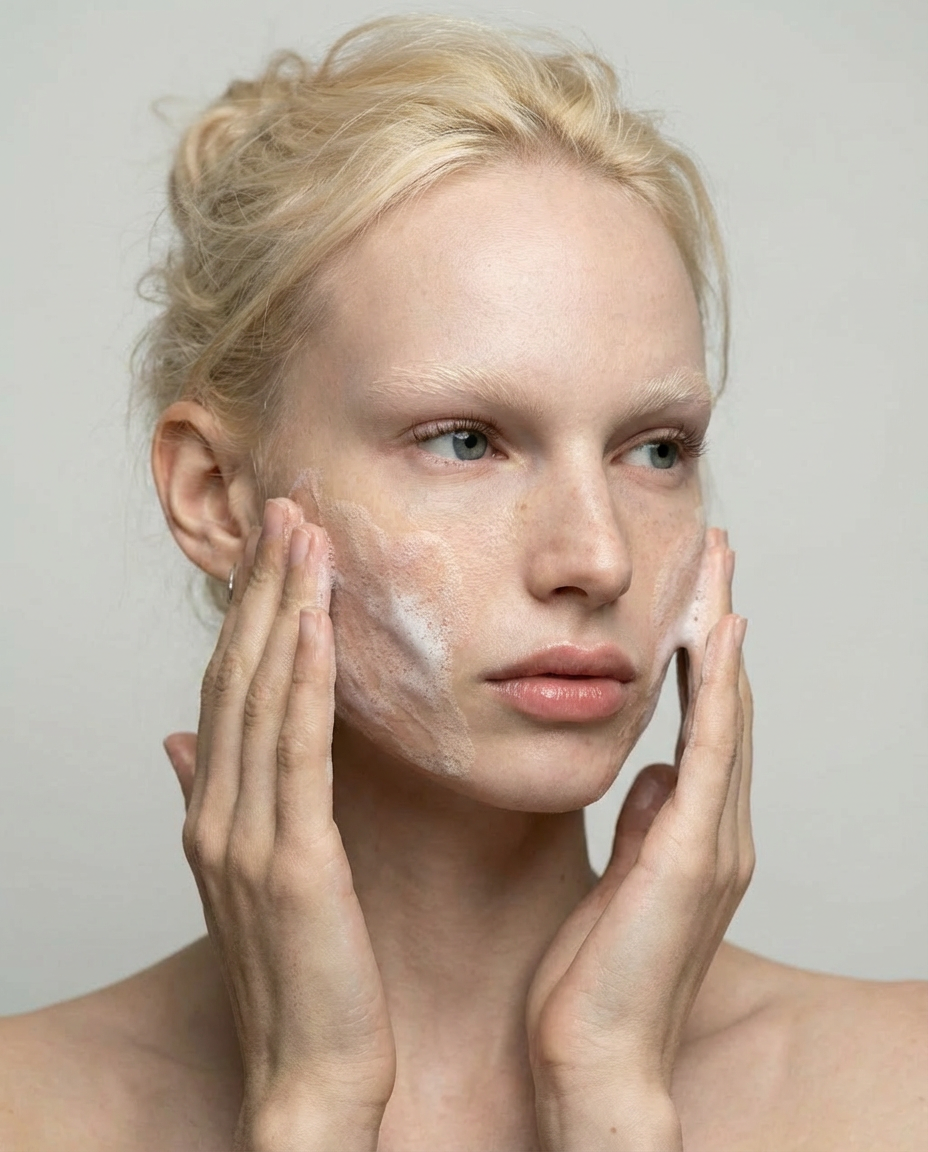
- Cleanse. Apply 1–2 pumps of Clarus to damp skin, massage gently for several seconds, rinse lightly and pat dry.
- Calm. Apply 3 drops of Oktélia, one on the forehead and one on each cheek, and spread until absorbed.
- Restore. Smooth Hydronéa evenly over clean skin to seal in hydration.
Use the routine morning and evening. Hydronéa does not contain SPF, so in the morning finish with a broad-spectrum sunscreen you already tolerate.
If your skin is sensitive, introduce one new product at a time and patch-test first. The American Academy of Dermatology explains how to test a skincare product before using it on your face. Like any plant, sage isn't right for everyone, and some people react to it.
Keep reading
- Aloe Vera for Sensitive Skin: Why It's Ingredient #2 in ZÉORA
- Yarrow for Sensitive Skin
- How to Support Your Skin Barrier: A Gentle Guide for Sensitive Skin
This article is general skincare information, not medical advice. ZÉORA products are cosmetics, not medicines. If you have a skin condition, or notice persistent redness, itching, swelling or a rash, please speak with a board-certified dermatologist before changing your routine.