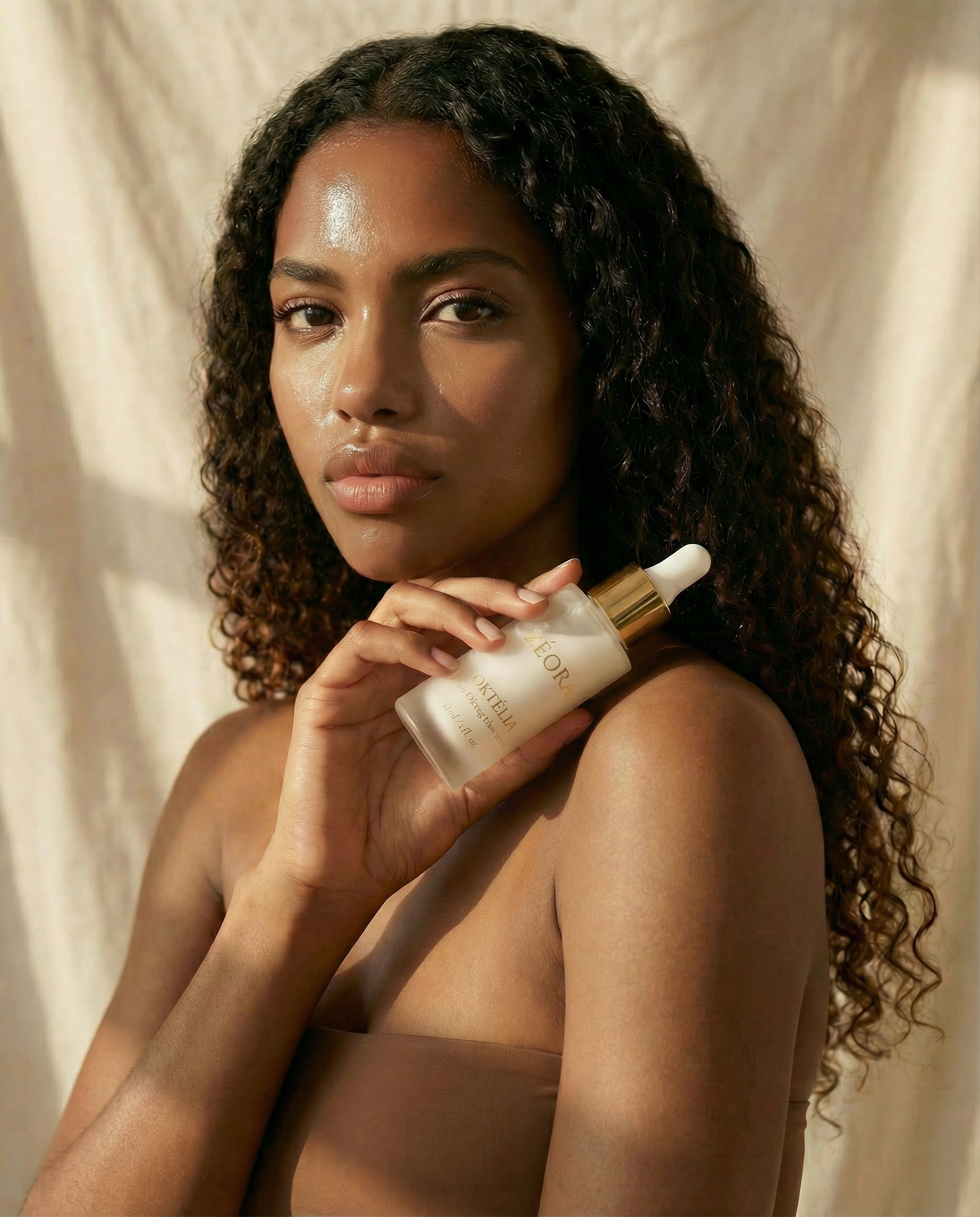
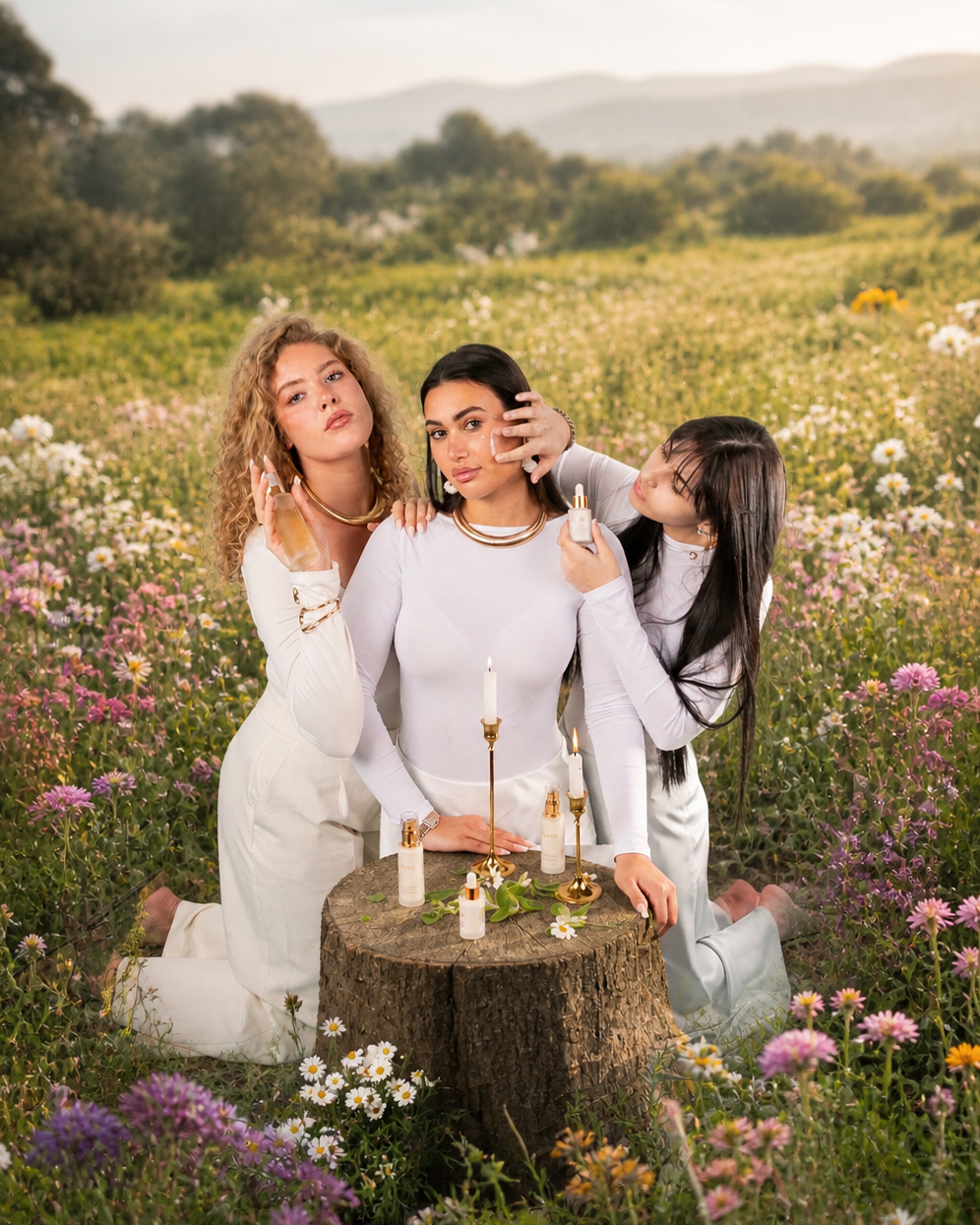
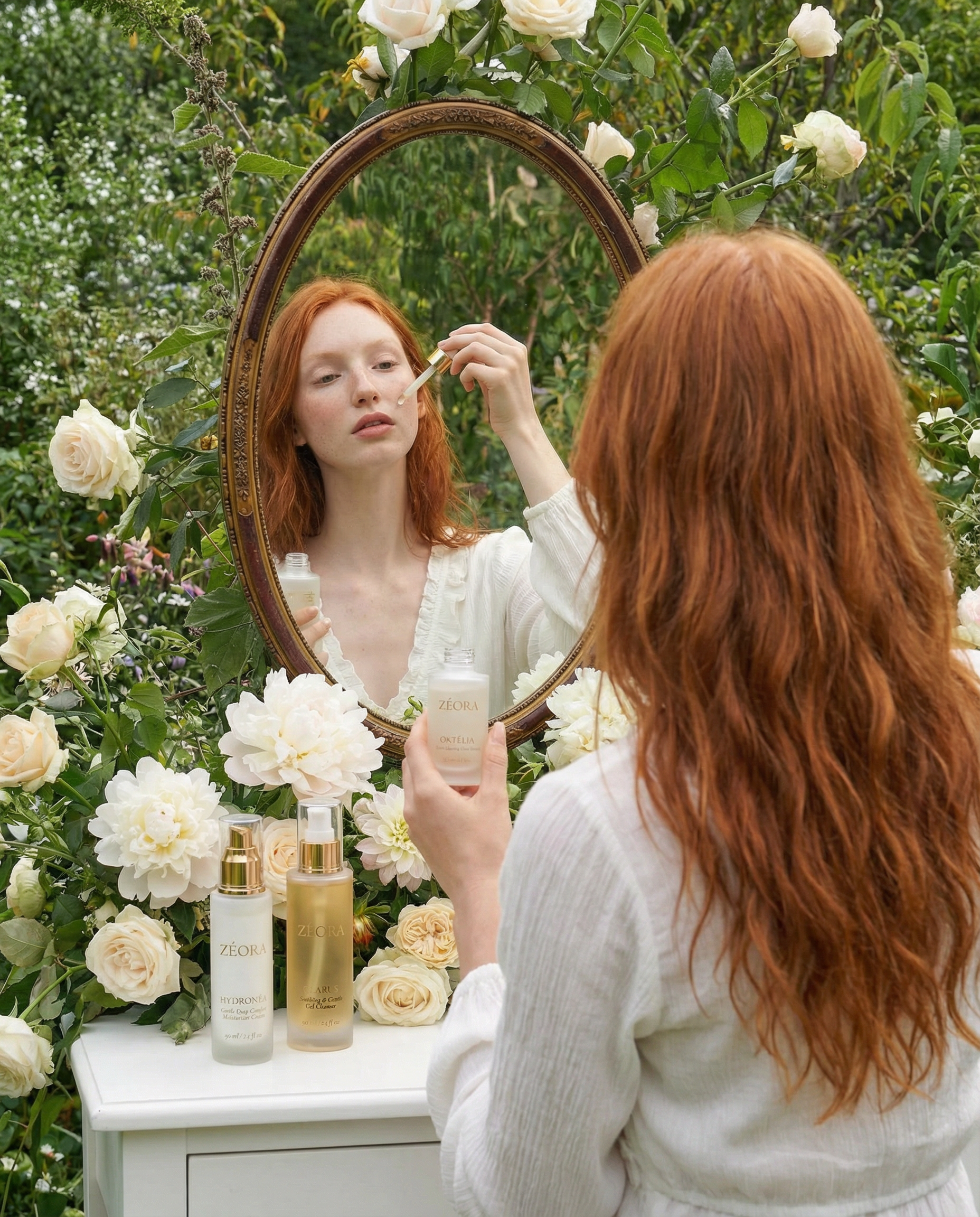
Most of the ingredients in ZÉORA come from plants: yarrow, sage, aloe vera, the damask rose and evodia fruit. Propolis is different. It comes from the beehive, and you'll find it in one ZÉORA product: Hydronéa, our replenishing cream.
Here's what propolis is, what published research says about it, and why a little of it is part of Hydronéa, the Restore step of the ZÉORA Ritual.
What propolis is
Propolis is a resin that honeybees collect from plants and bring back to the hive. Bees use it to build and seal the hive and to help protect the colony. Raw propolis isn't pure resin. It also contains wax, and a 2026 study of 139 propolis samples from hives across the United Kingdom found that how much wax it contains varies with the propolis's colour and with the land around the hive (Roberts et al., Oecologia, 2026).
On an ingredient list you'll see it written as Propolis Cera, the international (INCI) name for propolis wax.
Why it's unusual in skincare
Propolis rarely shows up on cosmetic labels. When researchers in Amsterdam checked the ingredient lists of 500 cosmetics on the European market, none of them listed propolis (de Groot et al., 2026). That's part of what makes it a distinctive choice for a moisturizer.
What research says about propolis
Most propolis research looks at propolis extracts, not propolis wax. Here's a fair summary of one lab study that's relevant to skin.
- In 2020, researchers in Brazil made gels containing an extract of Brazilian red propolis and tested them on pig ear skin in the lab. After exposing the skin to UVA and UVB light, they measured markers of oxidative stress, and the propolis gels showed antioxidant activity in that test (Correa et al., Photochemical & Photobiological Sciences, 2020).
It's worth being honest about the limits. This study used a specific propolis extract in a lab setting, not propolis wax, and it didn't test ZÉORA products. It isn't evidence of sun protection either. Hydronéa does not contain SPF.
Why propolis is in ZÉORA
ZÉORA began with a notebook from 1850, kept by a woman named Zéora on the Greek island of Samos. She had reactive, sensitive skin and studied the plants growing around her, keeping only what her skin accepted. Honey and beekeeping are a familiar part of Greek island life, so an ingredient from the hive sits naturally beside the plants in her story. We added propolis wax to Hydronéa, the cream drawn from her ninth formula, where it adds to the cream's soft, cushioned feel.
In Hydronéa, Propolis Cera sits alongside aloe vera (ingredient #2, right after water), sweet almond oil, panthenol, bisabolol, jojoba seed oil and the same group of botanicals found in every ZÉORA step: yarrow, sage, damask rose, chamomile, lemon balm, green tea and marjoram.
Where you'll find it
- Hydronéa, our replenishing cream (50 ml). It's the only ZÉORA product with propolis.
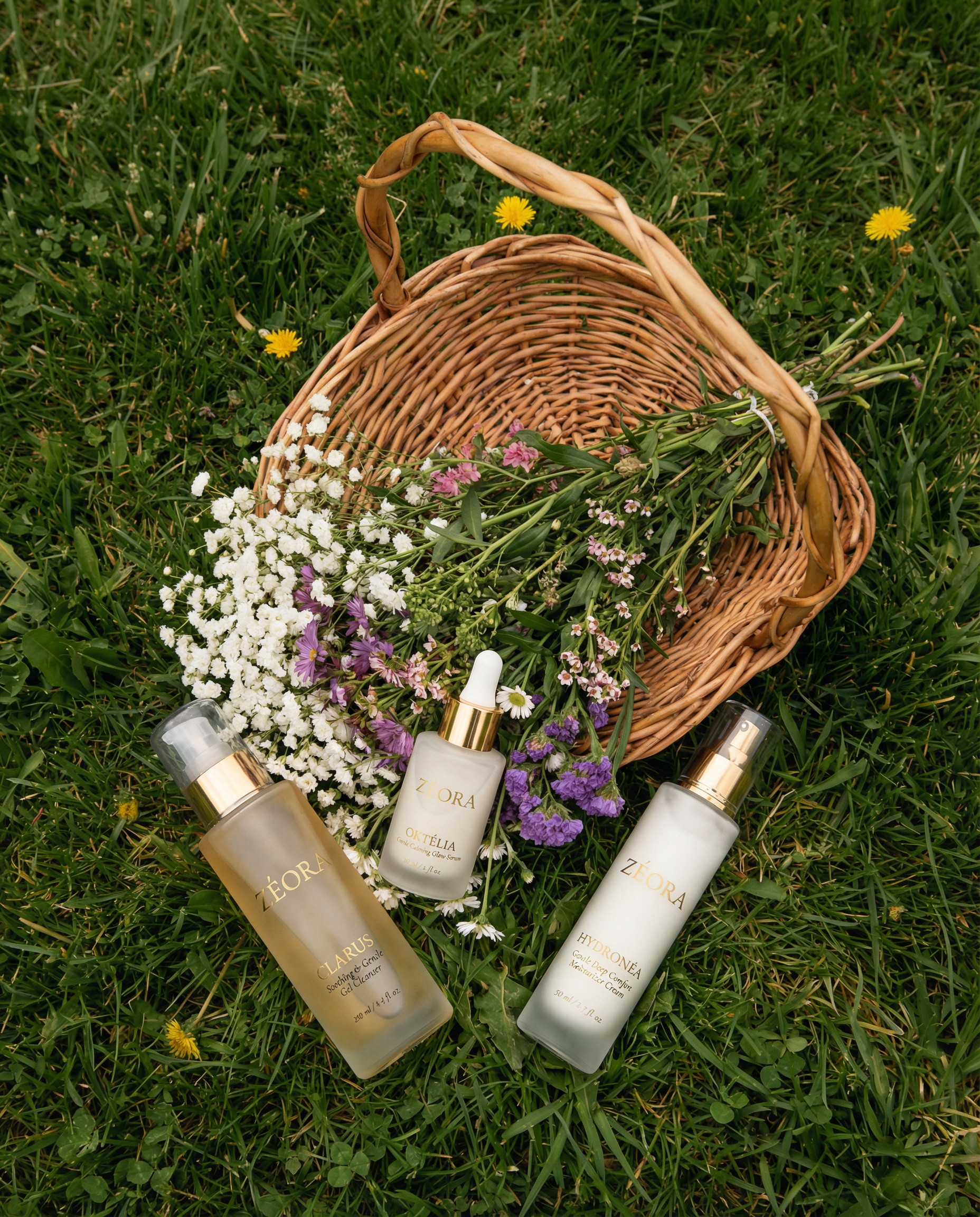
Hydronéa is step three of The ZÉORA Ritual, after Clarus, our gentle gel cleanser (100 ml), and Oktélia, our lightweight serum (30 ml).
How to use the Ritual
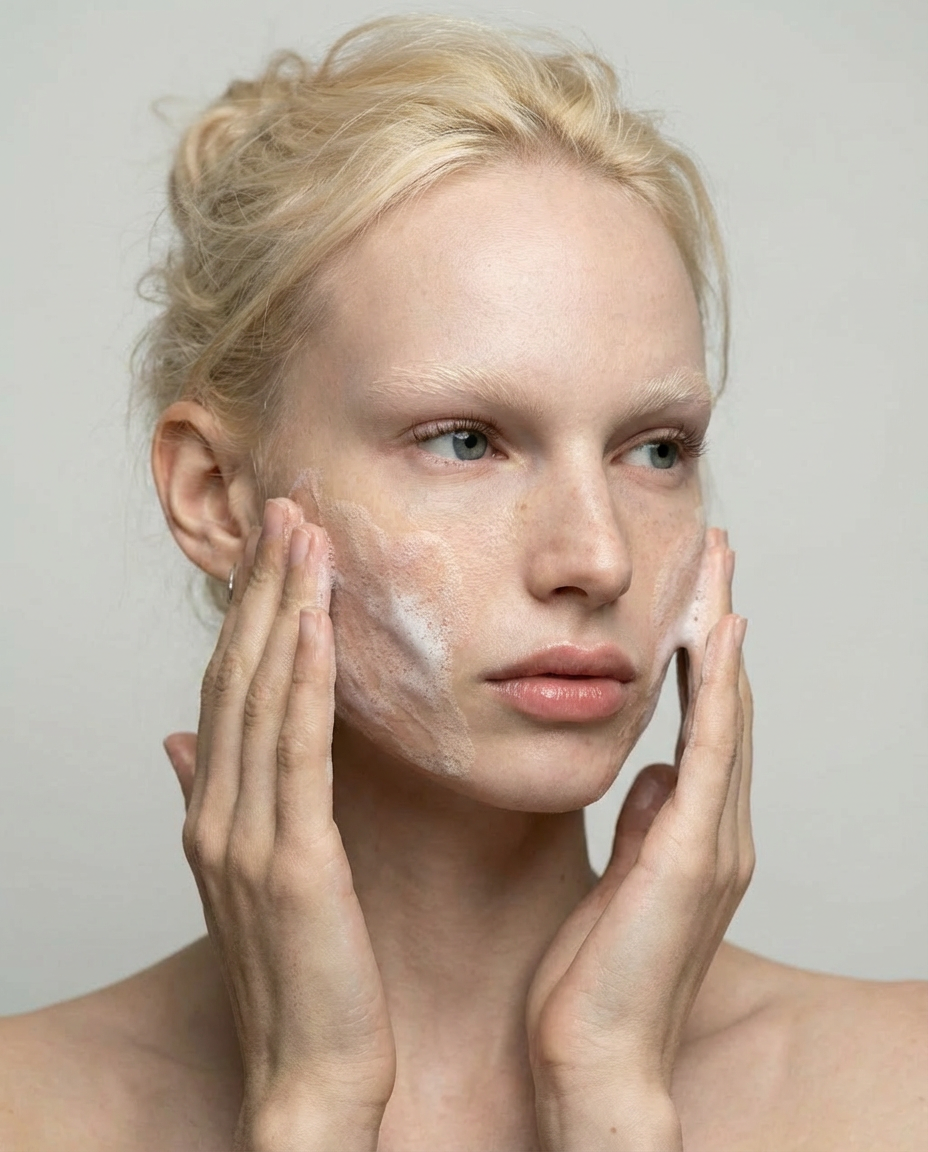
- Cleanse. Massage 1–2 pumps of Clarus onto damp skin for a few seconds, rinse lightly and pat dry.
- Calm. Apply 3 drops of Oktélia, one on the forehead and one on each cheek, and spread until absorbed.
- Restore. Smooth Hydronéa evenly over clean skin to seal in hydration.
Use the routine morning and evening. Hydronéa does not contain SPF, so in the morning finish with a broad-spectrum sunscreen you already tolerate.
A note on bee ingredients
Propolis comes from bees, so it's worth knowing about if you avoid animal-derived ingredients. Bee products can also cause allergic reactions in some people. A 2025 review describes these reactions as relatively rare but real, and the main advice for people who react to bee products is to avoid them (Matuszewska-Mach et al., International Journal of Molecular Sciences, 2025). If you know you react to propolis, beeswax, honey or other bee products, Hydronéa isn't the right cream for you.
If your skin is sensitive, introduce one new product at a time and patch-test first. The American Academy of Dermatology explains how to test a skincare product before using it on your face.
Keep reading
- Evodia for Sensitive Skin: The Rare Fruit Extract in Oktélia
- Damask Rose for Sensitive Skin: The Rose in Every ZÉORA Step
- Sage for Sensitive Skin: The Mediterranean Herb in Every ZÉORA Step
- Aloe Vera for Sensitive Skin: Why It's Ingredient #2 in ZÉORA
- Yarrow for Sensitive Skin
This article is general skincare information, not medical advice. ZÉORA products are cosmetics, not medicines. If you have a skin condition, or notice persistent redness, itching, swelling or a rash, please speak with a board-certified dermatologist before changing your routine.